The autonomic nervous system (ANS) plays an important role in the human response to various internal and external stimuli, which can modify homeostasis, and exerts a tight control on essential functions such as circulation, respiration, thermoregulation and hormonal secretion. ANS dysfunction may complicate the perioperative course in the surgical patient undergoing anesthesia, increasing morbidity and mortality, and, therefore, it should be considered as an additional risk factor during pre‐operative evaluation. Furthermore, ANS dysfunction may complicate the clinical course of critically ill patients admitted to intensive care units, in the case of trauma, sepsis, neurologic disorders and cardiovascular diseases, and its occurrence adversely affects the outcome. In the care of these patients, the assessment of autonomic function may provide useful information concerning pathophysiology, risk stratification, early prognosis prediction and treatment strategies. Given the role of ANS in the maintenance of systemic homeostasis, anesthesiologists and intensivists should recognize as critical the evaluation of ANS function. Measurement of heart rate variability (HRV) is an easily accessible window into autonomic activity. It is a low‐cost, non‐invasive and simple to perform method reflecting the balance of the ANS regulation of the heart rate and offers the opportunity to detect the presence of autonomic neuropathy complicating several illnesses. The present review provides anesthesiologists and intensivists with a comprehensive summary of the possible clinical implications of HRV measurements, suggesting that autonomic dysfunction testing could potentially represent a diagnostic and prognostic tool in the care of patients both in the perioperative setting as well as in the critical care arena.
Showing posts with label Cardiac. Show all posts
Wednesday, September 21, 2011
Wednesday, June 15, 2011
ACE Inhibitors Before Surgery May Do No Harm
Patients on blood pressure drugs experienced lower 30-day mortality
by Alison McCook
Researchers at Toronto General Hospital used data from more than 61,000 patients to compare people who took ACE inhibitors with those who did not, and found that being on the blood pressure medication long-term leading up to noncardiac surgery was associated with lower 30-day mortality.
When they looked more closely at the ACE inhibitor group, they found that those who chose to stop taking the drugs a few days prior to surgery, and delayed restarting it, fared no better than those who took the drug up to the morning of the procedure, and resumed once they were stable.
“Maintaining ACE inhibitors prior to surgery might be of some benefit,” said study author Jason Toppin, MD. “And they definitely do not cause any problem.”
Dr. Toppin’s group presented its findings at the 2011 annual meeting of the Society of Cardiovascular Anesthesiologists (abstract 64).
Decisions Based On Unsatisfying Data
Previous small, retrospective studies had suggested that patients who take ACE inhibitors in the perioperative period are at higher risk for renal failure, hypotension, cardiac events such as myocardial infarction and even death. The reasoning, Dr. Toppin explained, was that any drug that lowers blood pressure might cause problems when combined with either anesthesia or other issues that exacerbate hypotension.
But when he and his colleagues took a closer look at the studies, they felt the researchers did not adequately control for differences between those on and off the drugs. People taking ACE inhibitors are generally sicker, he explained, so comparison studies have to be careful to match them with people who have the same levels of underlying disease.
So Dr. Toppin and his team scanned the hospital’s surgical booking center for all patients undergoing noncardiac surgery between 2003 and 2008. They identified 61,420 patients, 7,339 (12%) of whom were taking ACE inhibitors—or, less commonly, angiotensin receptor blockers (ARBs)—at the time of surgery. They then isolated about 7,200 patients on the drugs and compared them with the same number not taking the medications, taking care to match patients on more variables than had prior studies, such as cardiac failure, renal function and other risk factors, Dr. Toppin said.
They found that those taking ACE inhibitors or ARBs experienced a statistically significant reduction in mortality (odds ratio, 0.54) within the 30 days after surgery. Specifically, 1.4% of those not taking the medications died, compared with about 0.5% of those on ACE inhibitors (P<0.0001).
When they looked within the group taking ACE inhibitors, stopping the drug prior to surgery and for a few weeks afterward was not associated with any better outcomes.
These findings mirror what Arthur Wallace, MD, PhD, of the University of California, San Francisco and his colleagues have seen: Taking ACE inhibitors before surgery poses no added risk.
“When we have looked, it’s hard to show that people with ACE inhibitors have more hypotension during surgery when you give them the drug,” Dr. Wallace told Anesthesiology News.
The finding makes sense, Dr. Wallace added, because if people need the drug to go about their daily lives, they should need it during a time of added stress, such as surgery. “It is hard to show that taking away a good drug is good for you,” he said.
“It just goes back to why people are on them,” agreed Dr. Toppin. “It’s a drug that is associated with beneficial effects in these high-risk patients.”
In 2008, the American College of Physicians issued recommendations on the perioperative management of patients with congestive heart failure, which stated that clinicians should “consider holding or reducing” the usual dose of ACE inhibitors the day of, and for up to 24 hours prior to, elective surgery (http://pier.acponline.org/mcpp/pdf/periopr867.pdf).
Still, the decision to stop or continue ACE inhibitors prior to surgery depends on the individual and institution, Dr. Toppin said. However, some patients do halt their medication over fears of ill effects, based on the results from prior studies. He said he typically asks patients to continue their ACE inhibitors until the morning of surgery, then restart once they are stable.
Yet, the real understanding of the benefits or risks associated with ACE inhibitors will only come after prospective studies, Dr. Toppin cautioned. “We still think the definitive answer still lies in doing a prospective study.”
Researchers should not stop with ACE inhibitors, added Dr. Wallace, who is chief of anesthesia at the San Francisco VA Medical Center. Some regular aspirin-takers stop the drug before surgery, out of fear of excess bleeding, he said, and some hospitals even halt b-blockers for patients during the perioperative period, despite research showing this practice may be harmful. “We need to identify which medicines you need to keep going, and which medicines need to be stopped before surgery. It’s incredibly important.”
Monday, March 14, 2011
Central Line Placement / Catheterization: Subclavian approach
INDICATIONS
- Administration of agents into the central vasculature
- Central circulation and intracardiac access
- Maintenance of venous access
- Hemodialysis and plasmapheresis
CONTRAINDICATIONS
- Absolute contraindications
- Adequate peripheral IV access (see Intravenous Cannulation for further details.
- Operator inexperience
- Uncooperative patient
- Relative contraindications
- Significant uncorrectable bleeding disorder
- Injury or thrombosis in the target vessel or SVC
- Inability to tolerate pneumothorax
- Assisted ventilation with high end-expiratory pressure
- Contraindications unique to the subclavian approach
- For patients with a significant bleeding disorder, an internal jugular or femoral approach may be more appropriate
- Surgery or trauma to the clavicle, first rib, or subclavian vessels
- Administration of thrombolytic medication
EQUIPMENT
- Central venous catheterization kit
- Clear fenestrated plastic drape
- Paper drape
- Chlorhexidine antiseptic with applicators
- 1% Lidocaine
- Small anesthetizing needle (25 gauge × 1 inch)
- Large anesthetizing/finder needle (22 gauge × 1.5 inch)
- Introducer needle (18 gauge × 2.5 inch)
- Several syringes, 5 mL each
- J-tipped guidewire with housing and a straightener sleeve
- Scalpel with a No. 11 blade
- Skin dilator
- Catheter (e.g., triple lumen or sheath introducer)
- Gauze pads
- Suture with curved needle
- Disposable needle holder
- Sterile gloves, sterile gown, cap, and mask with a fluid shield for each member of the insertion team **STERILE TECHNIQUE** **UNIVERSAL PRECAUTIONS**
- Large sterile drape (half-sheet)
- Lidocaine 1% (often provided in the kit, although extra may be required)
- Sterile saline suitable for injection
- Sterile dressing (e.g., Tegaderm, 3M Corporation, Huntingdon Valley, PA)
ANATOMY
- Subclavian vein
- As the subclavian vein crosses the first rib, it lies posterior to the junction between the medial third and lateral two thirds of the clavicle.
- The subclavian arteries are located posterior to the veins and are separated from them by the scalene muscles.
- The right pleural dome is lower than the left and the thoracic duct is located on the left, thus making the right side preferred over the left.
Apples no worse than pears | theheart.org
Cambridge, UK - A new study has cast doubt on the widely held belief that obesity in an apple shape, with fat accumulation around the stomach area, is more damaging in terms of cardiovascular risk than other types of obesity.
The study, published online in the Lancet on March 11, 2011, was conducted by the international group known as the Emerging Risk Factors Collaboration.
Coauthor Dr Emanuele Di Angelantonio (University of Cambridge, UK) commented to heartwire: "It has been thought that central adiposity (apple shape) is associated with a greater risk of cardiovascular disease than other types of obesity, but we have shown in our study that any one of three measures of obesity are equally associated with heart disease. So being an apple is no worse than being a pear. Both are bad."
Being an apple is no worse than being a pear. Both are bad.
Di Angelantonio claims the current study is more reliable than previous ones because it is prospective in design and therefore less liable to be affected by bias. "We followed 220 000 individuals for 10 years in a prospective fashion with measures of obesity recorded at baseline. The previous studies have mainly been of a case-control design, where they worked backward from the event. These are not nearly so accurate in estimating risk of particular factors."
He added: "We are not saying that visceral obesity is not important. All types of obesity are important, as they are all linked to cardiovascular disease. But what we are saying is that the apple shape is no riskier than other shapes, which is a big difference from previous opinion."
Thursday, January 13, 2011
Off-topic. Or not? Limit screen viewing to less than two hours per day!
Too much TV ups risk of death, cardiovascular events
London, UK - People who spend two hours or more a day in front of a screen during their leisure time—primarily watching television—have more than double the risk of cardiovascular events over four years compared with those who spend less than two hours a day in front of a screen, even after adjustment of the findings for physical activity, new research shows.
This is the first study to examine the relationship between screen-based entertainment time and nonfatal cardiovascular events, lead author Dr Emmanuel Stamatakis (University College London, UK) told heartwire. The results also show a 50% increased risk of all-cause mortality for those who sit in front of a screen for four hours or more a day compared with those spending less than two hours on this activity.
Read more:
Tuesday, January 11, 2011
Preoperative Statin Therapy on Adverse Postoperative Outcomes
from Anesthesiology.org
Background: Chronic statin therapy is associated with reduced postoperative mortality. Renal and cardiovascular benefits have been described, but the effect of chronic statin therapy on postoperative adverse events has not yet been explored.
Methods: In this observational study involving 1,674 patients undergoing aortic reconstruction, we prospectively assessed chronic statin therapy compared with no statin therapy, with regard to serious outcomes, by propensity score and multivariable methods.
Results: In propensity-adjusted multivariable logistic regression (c-index: 0.83), statins were associated with an almost threefold reduction in the risk of death in patients undergoing major vascular surgery (odds ratio: 0.40; 95% CI: 0.28–0.59) and an almost twofold reduction in the risk of postoperative myocardial infarction (odds ratio: 0.52; 95% CI: 0.38–0.71). Likewise, the use of chronic statin therapy was associated with a reduced risk of postoperative stroke and renal failure. Statins did not significantly reduce the risk of pneumonia, multiple organ dysfunction syndrome, and surgical complications; however, in the case of postoperative multiple organ dysfunction syndrome (odds ratio: 0.34; 95% CI: 0.12–0.94) and surgical complications (odds ratio: 0.39; 95% CI: 0.17–0.86), reduced mortality was observed.
Conclusions: Chronic statin therapy was associated with a reduction in all cardiac and vascular outcomes after major vascular surgery. Furthermore, in major adverse events, such as multiple organ dysfunction syndrome and surgical complications, statins were also associated with decreased mortality.
"In conclusion, the observed association between chronic statin therapy and postoperative complications suggests that statins have to be considered as global perioperative protection for patients undergoing major vascular surgery and not only as cardioprotective treatment. This important observation suggests that perioperative use of statins should be guided not only by cardiac risk."
Sunday, January 09, 2011
Transfusions overused in cardiac surgery?
from theheart.org
São Paulo, Brazil and Durham NC - More evidence that blood transfusions are being used too liberally in cardiac-surgery patients has come from two new studies, both published in the October 13, 2010, issue of the Journal of the American Medical Association.
In an accompanying editorial, Dr Aryeh Shander (Englewood Hospital and Medical Center, NJ) and DrLawrence Goodnough (Stanford University School of Medicine, CA) say that continued inappropriate transfusions among hospitals is a major concern, as transfusions carry risks and are costly and the supply of blood is limited.
Goodnough told heartwire that the current Brazilian study echoed the results of an earlier study in ICU patients, and the Duke study showed similar variations in transfusion use as a study by his group in 1991. "We now have guidelines recommending a more conservative strategy, but these Duke data suggest that that they are not being taken notice of." He suggested two reasons for this: doctors are unaware of the guidelines, or they disagree with them. "I think there is a 'we've always done it that way' culture about giving blood transfusions, and once you have been taught something it can be difficult to let it go. But I believe there is enough data to say that we are overtransfusing."
In the Brazilian study, 502 cardiac-surgery patients were randomly assigned to a liberal strategy of blood transfusion (to maintain a hematocrit >30%) or to a restrictive strategy (to maintain a hematocrit >24%). Hemoglobin concentrations were maintained at a mean of 10.5 g/dL in the liberal-strategy group and 9.1 g/dL in the restrictive-strategy group. Blood transfusions were given to 78% of the liberal-strategy group and to 47% of the restrictive-strategy group, but occurrence of the primary end point (30-day all-cause mortality or cardiogenic shock, acute respiratory-distress syndrome, or acute renal injury requiring dialysis or hemofiltration during hospital stay) was similar between groups (10% liberal vs 11% restrictive).
In the second study, researchers led by Dr Elliott Bennett-Guerrero (Duke Clinical Research Institute, Durham, NC) analyzed data from the Society of Thoracic Surgeons (STS) adult cardiac-surgery database, which included 102 592 cases of CABG from 798 hospitals in 2008, and found a dramatic variability in the observed hospital-specific transfusion rates. To ensure that between-center differences would not be dominated by random statistical variation, they also analyzed the subset of hospitals performing at least 100 eligible on-pump CABG operations during the year. At these 408 sites, which included 82 446 cases, the frequency of transfusion rates ranged from 7.8% to 92.8% for red blood cells, 0% to 97.5% for fresh frozen plasma, and 0.4% to 90.4% for platelets. Geographic location, academic status, and hospital volume explained 11.1% of the variation in hospital risk-adjusted red blood cell usage, and case mix explained 20.1% of the variation.
Noting that they found no strong association between hospital transfusion rate and mortality, the authors note that even if higher transfusion rates at some hospitals are not deleterious, they may still represent potentially unnecessary care that is costly, with a red blood cell transfusion costing a mean of $761 per unit.
Read more...
Thursday, January 06, 2011
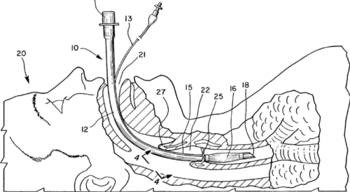
Correct Endotracheal Tube (ETT) placement: the 20/22 rule
Endotracheal tube insertion depth, to 20 cm in women and 22 cm in men, is more reliable than auscultation for excluding inadvertent endobronchial intubation, especially if the clinician is inexperienced, research shows.
“Tube depth seems to be almost independent of the user’s experience and can be used by clinicians even at the beginning of their training with a high sensitivity and specificity,” Christian Sitzwohl (Medical University of Vienna General Hospital, Austria) and team write in the BMJ.
With auscultation, in contrast, 15% of endobronchial intubations were missed by experienced anesthesiologists, and 55% were missed by first-year anesthesiology residents.
“The hierarchy of the methods used to assess the correct insertion depth should be changed and clinicians should rely more on depth insertion than on auscultation,” say the researchers.
The 164 patients who participated in the study had an endotracheal tube positioned correctly (2.5–4.0 cm above the carina) or incorrectly (in the right mainstem bronchus) by an anesthesiologist using a fibreoptic bronchoscope.
The position of the tube was then independently assessed, using one of three different methods, by an experienced anesthesiologist with at least 2 years of training, and a first-year resident – 32 of the former and 22 of the latter participated in the study.
Overall, auscultation was 65% sensitive and 93% specific for exclusion of endobronchial intubation, whereas tube depth (to 20 cm in women and 22 cm in men) was 88% sensitive and 98% specific. Observation and palpation of symmetrical chest movements was 43% sensitive and 90% specific.
Combining all three techniques had a sensitivity of 100% and a specificity of 95%.
Clinician experience did not significantly influence the chances of a correct diagnosis when tube depth was used as a guide, but being experienced improved the likelihood of a correct diagnosis 10-fold with auscultation and 4.5-fold with observation.
However, the team notes that even experienced clinicians may struggle with auscultation in emergency situations, which often involve patients with underlying respiratory pathology.
Sitzwohl et al observe that the rule of inserting tubes to a depth of 21 cm in women and 23 cm in men (the 21/23 rule) is already in use, but say that following this would have resulted in 20% of women and 18% of men having the tube inserted nearer to the carina than recommended.
Following a 20/22 rule would reduce these rates to 9% and 0%, respectively, they say.
Sunday, December 19, 2010
Codeine Linked to Increased CVD Events, Mortality
The researchers found that the risk for cardiovascular events was similar across opioid groups 30 days after initiation, but after 180 days of exposure it was elevated for codeine (rate ratio [RR], 1.62; 95% confidence interval [CI], 1.27 – 2.06), compared with the reference hydrocodone.
Similarly, propoxyphene showed a nonsignificant increase in cardiovascular toxicity at 30 days (RR, 1.17; 95% CI, 0.85 – 1.62), which persisted at 180 days (RR, 1.25; 95% CI, 1.00 – 1.57).
Thursday, October 28, 2010
Lipid Reversal of Bupivacaine Cardiac Arrest: Experimental model
Lipid infusions could be a good choice for bupivacaine cardiotoxicity rescue. But, wait... isn't Propofol a 10% lipid emulsion? Should we use it on bupivacaine arrest? Slow down... No evidence in favor of it. And a great chance of deteriorating the cardivascular status. But some brand lipid emulsions would be a good option?
Tuesday, September 07, 2010
Arterial Line Placement - Techinques and Troubleshooting
INDICATIONS
- Continuous blood pressure measurement is necessary because of hemodynamic instability.
- Continuous blood pressure measurement is necessary for the safety of certain anesthetic techniques, such as deliberate hypotension, cardiopulmonary bypass, or major vascular surgery involving arterial clamping.
- Continuous blood pressure measurement is necessary for monitoring administration of vasoactive drugs.
- Frequent blood gas measurements are needed.
- Frequent blood sampling is needed in patients without central venous access.
- Noninvasive blood pressure monitoring is difficult or impossible, such as in patients who are severely obese, have burned extremities, or are in shock.
CONTRAINDICATIONS
- Absolute contraindications
- Infection at the site of insertion
- Traumatic injury proximal to the site of insertion
- Relative contraindications; may be outweighed by other considerations
- Failure to demonstrate collateral flow in small vessels (e.g., by Doppler ultrasonography)
- Presence of arteriovenous (AV) shunt in the limb in question
- History of surgery disrupting lymphatics of the upper extremity, such as a mastectomy with lymph node dissection
- Arterial insufficiency in the distribution of the artery to be cannulated
Sunday, September 05, 2010
Awake Fiberoptic Intubation
INDICATIONS
- History of difficult intubation
- Suspected difficult airway based upon findings in history or physical exam, including but not limited to the following:
- Trauma to the airway
- Deep neck infections
- Tumors of the larynx or pharynx
- History of radiation to the airway
- Severe ankylosing spondylitis
- Acromegaly
- Congenital airway abnormality, such as Treacher-Collins or Pierre Robin Syndromes
- Inability to access the cricothyroid membrane, in case emergency surgical airway is required
- Morbid obesity and history of sleep apnea with suspected difficult airway requiring intubation
- Anatomy that otherwise predisposes patient to difficult intubation and difficult mask ventilation while asleep
- High risk for aspiration of gastric contents
- Need for neurological exam immediately following intubation
- Cervical spine instability due to trauma or degenerative disease
- Vertebrobasilar artery insufficiency
CONTRAINDICATIONS
- Absolute contraindications
- Patient refusal
- Allergy to both ester and amide classes of local anesthetics
- Relative contraindications, which may be overlooked in the true emergency situation because the risk of the procedure is less than the risk of hypoxemia or impending loss of the airway
- Infection at sites of local anesthetic injection/application
- Raised intracranial pressure (ICP) that might be exacerbated by coughing
- Penetrating eye trauma that might be exacerbated by coughing
COMPLICATIONS
- Common
- Gagging
- Epistaxis
- Infrequent
- Oversedation (with loss of spontaneous ventilation)
- Inability to pass endotracheal tube
- Laryngospasm
- Hematoma (if invasive blocks have been performed)
- Infection (if invasive blocks have been performed)
- Dysphagia
- Dysphonia
- Inadequate sedation with unpleasant recall by the patient
- Serious, rare complications
- Local anesthetic toxicity
- Damage to vocal cords
- Vomiting (aspiration)
- Traumatic pharyngeal or laryngeal injury
- Bacteremia
- More common after nasal intubation
- In patients with valvular heart disease, prophylactic antibiotic administration before nasal but not oral intubation is recommended
Tuesday, August 31, 2010
Shock Treatment: Norepinephrine or Dopamine?
Physicians treating patients with shock should definitely consider norepinephrine instead of dopamine as a tool for stabilizing blood pressure, according to an editorial written by Emory Universitys Jerrold Levy, MD, FAHA, in the March 4, 2010, issue of the New England Journal of Medicine (NEJM). Levy explains in this video.
Video produced by Larry Warry and Geoff Huitt, Emory University School of Medicine.
About Dr. Levy
Levy, professor and deputy chair for research, Department of Anesthesiology, Emory University School of Medicine, and co-director of cardiothoracic anesthesiology, Emory Healthcare, evaluated findings of the recent study.
Video produced by Larry Warry and Geoff Huitt, Emory University School of Medicine.
About Dr. Levy
Levy, professor and deputy chair for research, Department of Anesthesiology, Emory University School of Medicine, and co-director of cardiothoracic anesthesiology, Emory Healthcare, evaluated findings of the recent study.
More Information
Norepinephrine favored for treatment of shock
http://www.emorymedicalhorizon.com/20...
Study Shows Norepinephrine Favored over Dopamine for Shock
http://shared.web.emory.edu/whsc/news...
Woodruff Health Sciences Center
http://www.emoryhealthsciences.org
Emory Healthcare
http://www.emoryhealthcare.org
Monday, August 16, 2010
Propofol, please rescue me! Unusual application on Cardiac Anesthesia
Aside from low blood pressure (mainly through vasodilation) and transient apnea following induction doses, one of propofol's most frequent side effects is pain on injection, especially in smaller veins. This pain can be mitigated by pretreatment with lidocaine. Patients show great variability in their response to propofol, at times showing profound sedation with small doses. A more serious but rare side effect is dystonia. Mild myoclonic movements are common, as with other intravenous hypnotic agents. Propofol appears to be safe for use in porphyria, and has not been known to trigger malignant hyperpyrexia.
Subscribe to:
Posts (Atom)